Preventing Feline Kidney Disease with Active Hydration
Published by Dr. Katherine Miller, DVM
•
6 min read
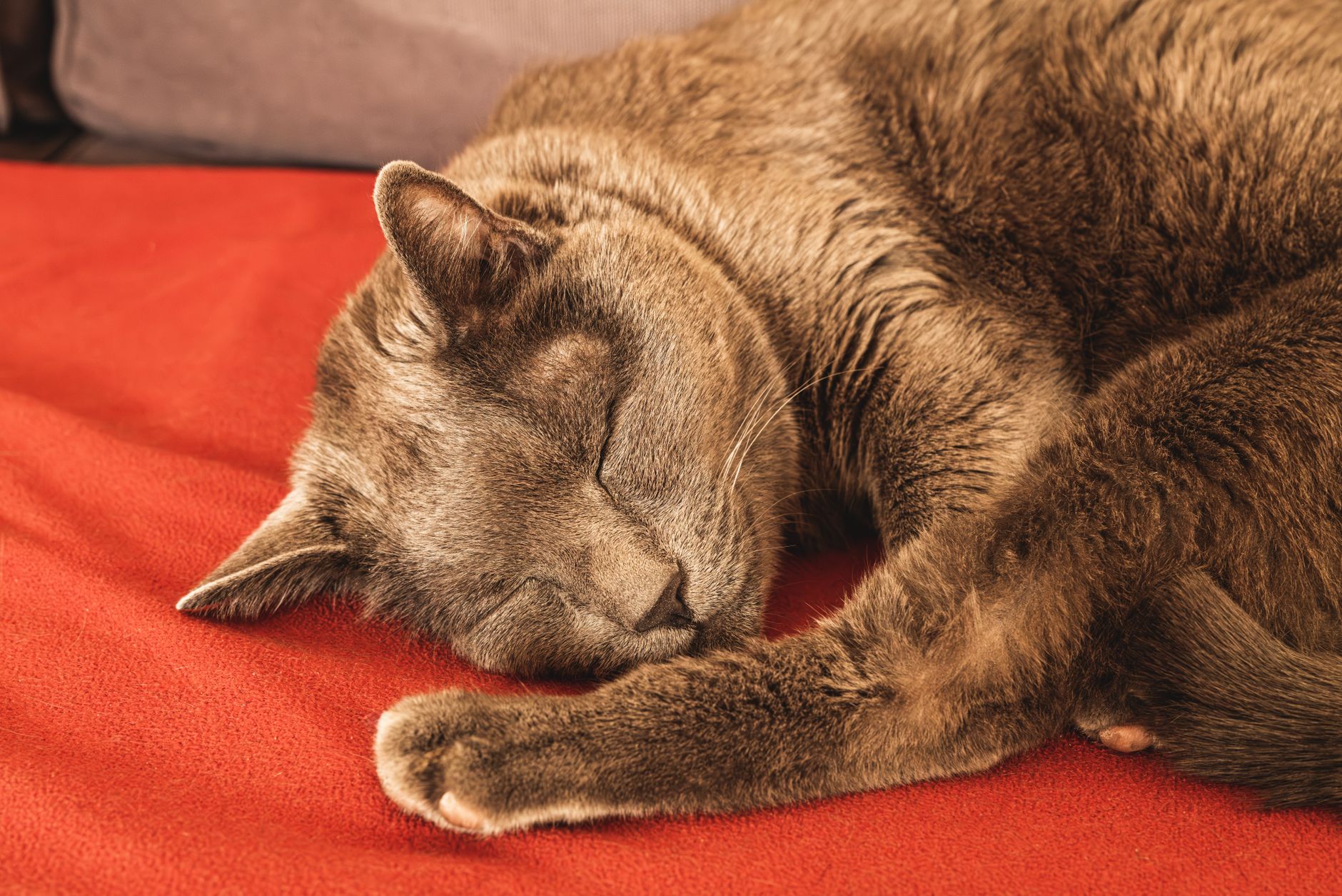
Renal failure is the number one medical challenge in domestic cats over six years old. When water intake remains consistently low, the kidneys are forced to work double-time to filter urine, causing premature organ deterioration.
Why Domestic Cats Refuse Standing Water
In the wild, standing water is a hotbed for bacteria and parasites. Instinctively, cats are highly skeptical of water that doesn\'t flow. Running water signaling freshness and safety is hardwired into their evolutionary DNA.
By introducing a modern bubbling dynamic source, you provide a clear optical and auditory prompt. This dynamic response keeps them coming back to drink far more regularly than they would from a stagnant plastic bowl.
The Lifesaving Power of app-based Intake Metrics
Cats are masters of masking early symptoms of severe illness. Once a cat shows obvious external symptoms of kidney fatigue, up to 70% of renal function may already be permanently lost. Measuring and tracking water intake with active scales on a daily basis ensures you catch trends early.